-
Your Trusted Service Provider
- +91 9427555696
- drkhushboo26@gmail.com
Stroke Rehabilitation Under a Neuro Physiotherapist
January 09, 2026
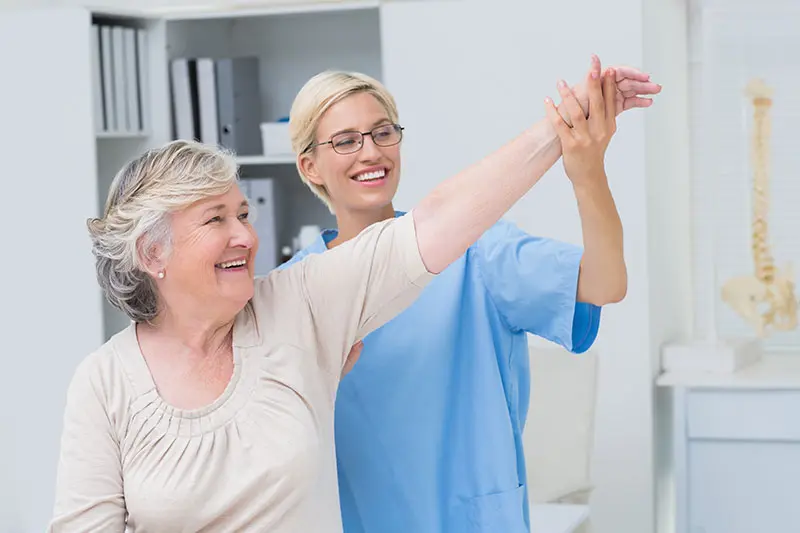
A stroke can change life in a matter of minutes. Suddenly, simple daily activities like walking, speaking, or using one hand may become difficult. While a stroke is a serious medical event, recovery is possible with the right rehabilitation support. One of the most important professionals in this recovery journey is a neuro physiotherapist.
Stroke rehabilitation under a neuro physiotherapist focuses on restoring movement, improving independence, and helping patients regain confidence to live a better quality of life.
- Understanding Stroke and Its Impact
A stroke occurs when the blood supply to a part of the brain is interrupted or reduced. This causes damage to brain cells, which can lead to problems such as:
- Weakness or paralysis on one side of the body
- Loss of balance and coordination
- Difficulty in walking
- Speech and swallowing issues
- Reduced hand function
- Muscle stiffness or abnormal movement patterns
The effects of a stroke vary from person to person, depending on the area of the brain affected and the severity of the stroke.
2. Why Neuro Physiotherapy Is Essential After Stroke
Neuro physiotherapy is a specialized branch of physiotherapy focused on conditions affecting the brain, nerves, and spinal cord. After a stroke, the brain has the ability to reorganize and relearn skills — a process known as neuroplasticity.
A trained neuro physiotherapist:
- Understands how the brain controls movement
- Designs exercises that stimulate brain recovery
- Prevents complications like stiffness, pain, and contractures
- Helps retrain normal movement patterns
Early and consistent neuro physiotherapy plays a key role in maximizing recovery.
3. Goals of Stroke Rehabilitation
Stroke rehabilitation is not just about movement — it is about regaining independence. The main goals include:
- Improving muscle strength and control
- Restoring balance and coordination
- Relearning walking and functional activities
- Improving hand and arm function
- Reducing muscle stiffness and spasticity
- Preventing falls and secondary complications
- Enhancing confidence and emotional well-being
Every rehabilitation program is personalized, based on the patient’s condition and abilities.
4. Role of a Neuro Physiotherapist in Stroke Recovery
A neuro physiotherapist begins rehabilitation with a detailed assessment, including:
- Muscle strength and tone
- Range of motion
- Balance and posture
- Functional ability (standing, walking, daily activities)
Based on this assessment, a structured treatment plan is created.
5. Common Neuro Physiotherapy Approaches Include:
- Movement re-education to normalize posture and walking
- Balance and gait training to improve stability
- Functional task training like sitting, standing, and reaching
- Strength and endurance exercises
- Hand rehabilitation for fine motor skills
- Stretching and spasticity management
Treatment progresses gradually as the patient improves.
6. Importance of Early Rehabilitation
Starting neuro physiotherapy as early as possible after a stroke leads to better outcomes. Early rehab:
- Prevents muscle stiffness and joint limitations
- Reduces bed-related complications
- Encourages faster brain recovery
- Improves motivation and morale
Even patients who begin rehabilitation later can still make meaningful improvements with consistent therapy.
7. Home Training and Family Involvement
Stroke recovery does not end at the clinic. A neuro physiotherapist also:
- Educates family members on safe handling and positioning
- Guides home exercise programs
- Trains patients in daily activities like walking, dressing, and transfers
Family support plays a powerful role in emotional strength and recovery motivation.
8. Emotional and Psychological Support
Stroke survivors often face frustration, fear, and emotional challenges. Neuro physiotherapy sessions help by:
- Setting realistic goals
- Celebrating small improvements
- Building confidence through progress
- Encouraging independence and positivity
Rehabilitation is a journey — patience and consistency are key.
Conclusion
Stroke rehabilitation under a neuro physiotherapist is a structured and science-based approach that helps patients rebuild their lives. With expert guidance, personalized exercises, and emotional support, stroke survivors can regain movement, independence, and confidence.
Recovery after stroke is not just about healing the body — it is about restoring hope and dignity. With the right rehabilitation team and commitment, a better and more active life is possible.