-
Your Trusted Service Provider
- +91 9427555696
- drkhushboo26@gmail.com
Joint Pain in Winter
January 30, 2026
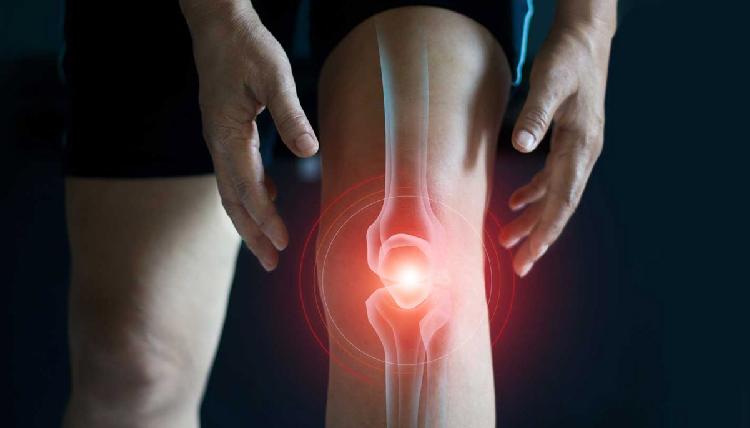
As winter arrives, many people begin to notice more stiffness, discomfort, and pain in their joints. Whether it is knee pain, back pain, shoulder stiffness, or arthritis-related discomfort, joint pain during winter is a common complaint. Cold weather often makes existing joint problems feel worse, affecting daily life and mobility.
Understanding why joint pain increases in winter — and how to manage it — can help you stay active and pain-free throughout the season.
- Why Joint Pain Increases During Winter
Cold weather affects the body in many ways, especially the muscles and joints.
1. Drop in Temperature
Cold temperatures cause muscles and tissues to tighten, which can increase stiffness and reduce flexibility. This puts extra stress on the joints, leading to pain.
2. Reduced Blood Circulation
In winter, blood flow to extremities decreases to preserve body heat. Reduced circulation around joints may lead to stiffness and discomfort.
3. Less Physical Activity
People tend to move less during colder months. Reduced activity weakens muscles that support joints, increasing pain and stiffness.
4. Existing Joint Conditions
Those suffering from arthritis, old injuries, or joint replacements are more sensitive to weather changes. Cold and damp weather can trigger inflammation and pain.
5. Changes in Barometric Pressure
Winter often brings fluctuations in air pressure, which can affect joint tissues and increase pain sensations in sensitive joints.
- Common Joints Affected in Winter
- Knees
- Lower back
- Neck and shoulders
- Hips
- Hands and fingers
Morning stiffness is especially common and may take longer to ease during cold weather.
1. How to Manage Joint Pain During Winter
The good news is that joint pain can be managed effectively with the right care and lifestyle adjustments.
1. Keep Your Body Warm
Wearing warm clothing, especially around joints like knees and shoulders, helps relax muscles and reduce stiffness. Using warm compresses can also provide relief.
2. Stay Physically Active
Gentle exercises such as walking, stretching, yoga, or physiotherapy exercises improve joint flexibility and strength. Movement keeps joints lubricated and reduces stiffness.
3. Follow a Physiotherapy Routine
Physiotherapy plays an important role in managing joint pain. A physiotherapist can:
- Strengthen muscles around joints
- Improve mobility and posture
- Reduce stiffness and pain
- Prevent further joint damage
Regular sessions can make a big difference during winter months.
4. Maintain Correct Posture
Poor posture during sitting, sleeping, or working can worsen joint pain. Using proper chairs, supportive mattresses, and correct sleeping positions helps protect joints.
5. Eat a Joint-Friendly Diet
A balanced diet supports joint health. Include:
- Calcium-rich foods for bone strength
- Vitamin D for better absorption
- Anti-inflammatory foods like fruits, vegetables, nuts, and seeds
Staying hydrated is also important, even in winter.
2. Importance of Early Care
Ignoring joint pain may lead to worsening symptoms and reduced mobility. Seeking timely care helps:
- Prevent long-term damage
- Improve joint function
- Maintain an active lifestyle
- Reduce dependence on pain medications
Physiotherapy combined with lifestyle changes offers a safe and effective solution.
3. When to Consult a Physiotherapist
You should seek professional help if:
- Pain lasts more than a few days
- Stiffness restricts daily activities
- Pain increases in winter every year
- You have a history of arthritis or injury
Early intervention leads to better outcomes.
Conclusion
Joint pain during winter is common, but it should not stop you from living actively. With proper warmth, regular movement, physiotherapy care, and healthy habits, winter joint pain can be managed effectively.
Listening to your body and seeking the right support ensures that your joints stay healthy, flexible, and strong — even during the coldest months.